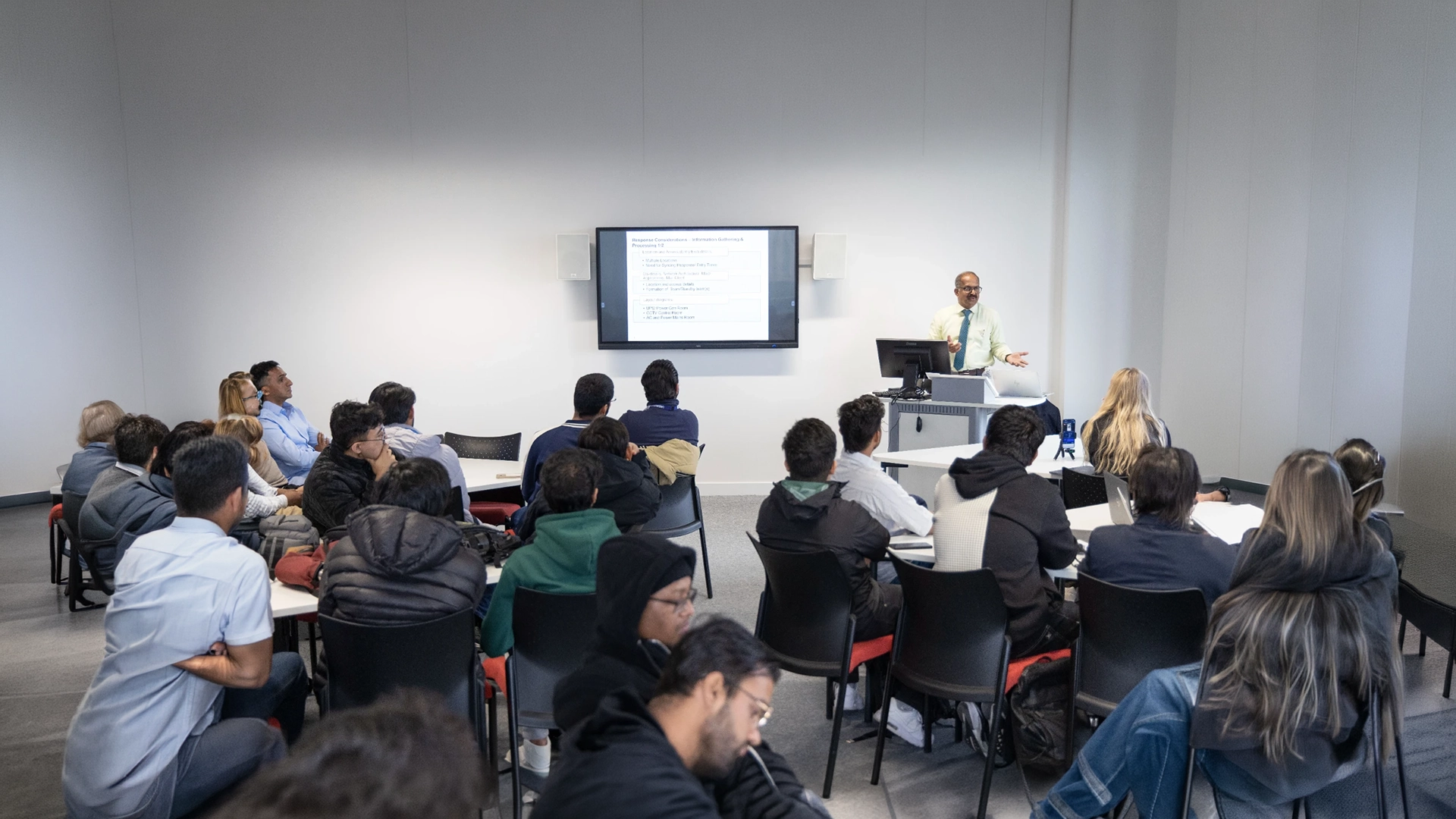

A Civil Engineer works within civil engineering and infrastructure, using specialist knowledge and practical skills to deliver services, solve problems or support organisational objectives. Responsibilities vary according to the employer, sector and level of experience. The role usually combines professional or technical expertise with communication, organisation and teamwork. As you gain experience, you may take responsibility for more complex work, projects or other team members.
Design or assess infrastructure and engineering structures. Prepare calculations, drawings and technical specifications. Use engineering software to analyse designs. Coordinate with architects, contractors and other engineers. Monitor construction work and resolve technical issues. Ensure projects meet safety, regulatory and quality standards.
Salaries for Civil Engineers vary according to experience, qualifications, sector and location. Entry-level professionals generally earn less, with pay increasing as they develop specialist expertise and take on greater responsibility. Experienced, senior and management-level professionals can earn significantly more. London-based positions and roles requiring scarce specialist skills may also attract higher salaries.
Most Civil Engineers work full time, commonly around 35 to 40 hours per week. Working patterns vary by employer and some positions may require additional hours, travel, shifts or work outside normal office hours. Opportunities are available across the UK. Depending on the profession, the working environment may include offices, specialist facilities, client locations, operational sites or hybrid working.
As a Civil Engineer, your working day will depend on your organisation and current responsibilities. You can expect to balance specialist work with meetings, communication, planning and collaboration. The role requires you to manage priorities and maintain appropriate professional standards. More senior positions generally involve greater responsibility for decisions, projects, budgets or team members.
Entry requirements for a Civil Engineer vary according to the profession and employer. A relevant degree, vocational qualification, apprenticeship or professional training can provide a route into the career. Some roles require professional registration or industry-specific qualifications. Continuing professional development is important for maintaining current knowledge and can support progression into more senior or specialist positions.
Relevant work experience can strengthen applications for Civil Engineer roles. Placements, internships, volunteering, university projects and entry-level employment can all provide opportunities to develop practical skills. Experience in a related environment is particularly useful because it demonstrates professional awareness and gives you examples of applying your knowledge to real situations.
With experience, a Civil Engineer can take on more complex responsibilities, develop a specialist area or progress into supervisory and management positions. Further qualifications and professional development may lead to opportunities in senior practice, consultancy, project leadership, training or organisational management.
Build the skills needed for this role with these courses.
Common questions about this role.
Step-by-step guidance on preparing and submitting your university application.
Step-by-step guidance on preparing and submitting your university application.
Learn what qualifications and English levels you’ll need to apply.
Learn what qualifications and English levels you’ll need to apply.
Find essential information on UK student visas, immigration, and ATAS certificates.
Find essential information on UK student visas, immigration, and ATAS certificates.
Understand tuition fees, payment options, and financial requirements before you apply.
Understand tuition fees, payment options, and financial requirements before you apply.
